
Dealing with a car insurance claim in Louisiana is rarely as simple as filing paperwork and receiving a fair check. Insurance companies have teams of adjusters and attorneys working to minimize what they pay, and most drivers don't realize how much leverage they're giving up by handling the process alone. This page explains how Louisiana law protects you, what to watch for in a total loss or injury claim, and how Schwartz Law Firm fights for clients across the Greater New Orleans Area and statewide.
Key Takeaways
-
Schwartz Law Firm in Metairie helps drivers across Greater New Orleans and all of Louisiana challenge low car insurance offers, undervalued total loss decisions, and unfair claim delays.
-
Louisiana law defines a total loss as damage equaling 75% or more of a vehicle's market value, and insurers must act in good faith when paying claims.
-
Attorney Chris Schwartz is a former insurance adjuster who now represents injured people and policyholders against insurance companies on a contingency fee basis - no fee unless you recover.
-
The 2024 reforms to Louisiana's bad faith statutes changed penalty caps and insurer obligations, making timely legal guidance more important than ever.
-
Call (504) 837-2263 for a free consultation or message us online to get started.
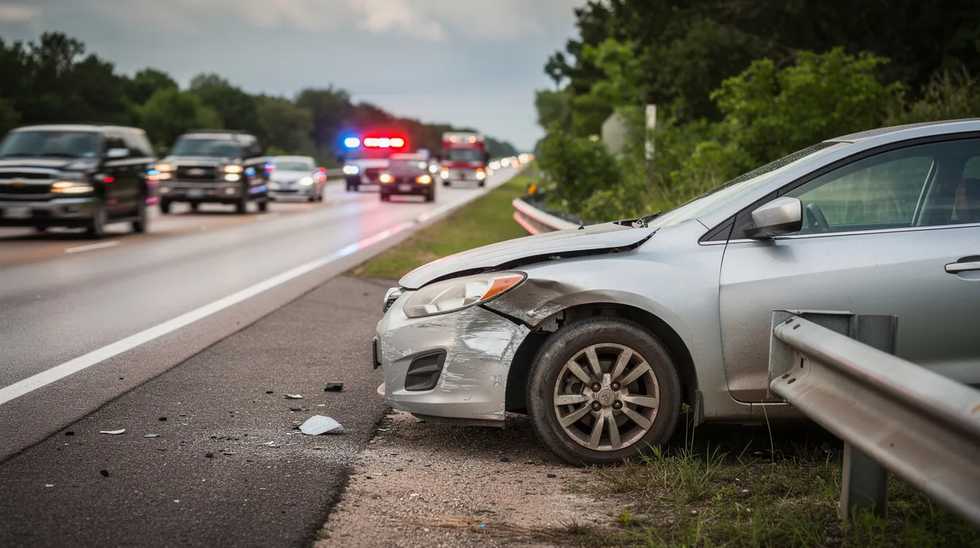
Why Call a Louisiana Car Insurance Claim Lawyer Right Away?
Car insurance claims in Louisiana move fast. Early legal help can protect both your property damage and injury claims after a crash, whether it happened in 2024, 2025, or 2026.
Insurance adjusters work for the insurance company and aim to minimize payouts. They start building the insurer's defense immediately - often before an injured driver has even left the accident scene in Orleans Parish, Jefferson Parish, or the surrounding area. Every recorded statement, signed form, and missed deadline can be used against you later.
Delays cost real money. Storage fees at tow yards in New Orleans, Metairie, Kenner, Houma, or LaPlace add up daily. Missed rental car days go uncompensated. And each week without representation is lost leverage when negotiating actual cash value and injury claims. Engaging a lawyer early can help protect your rights during Louisiana's strict timelines for filing claims.
Schwartz Law Firm can step in to handle adjuster calls, paperwork, and deadlines while you focus on medical treatment and getting back to work.
Call (504) 837-2263 for a free consultation or message us online before speaking at length with the insurance company.
About Schwartz Law Firm and Attorney Christopher R. Schwartz
Schwartz Law Firm is a Louisiana trial law firm founded in 1997 and based in Metairie, with a practice focused on car accidents and workers' compensation across the Greater New Orleans Area and River & Bayou Parishes.
Christopher "Chris" Schwartz earned his J.D. from Loyola University New Orleans in 1995 and was admitted to the Louisiana bar in 1996. Before starting his own firm, he worked as a workers' compensation claims adjuster for Travelers Insurance. That experience on the other side of the table gives him direct insight into how insurers calculate market value, actual cash value, and when they may act in bad faith in paying claims.
His practice areas include personal injury, auto and trucking collisions, Social Security disability, and workers' compensation. His practice is 100% litigation, and over 25 years he has secured numerous six- and seven-figure results for clients. Hiring a lawyer is especially beneficial for claims involving serious injuries or disputes over liability, and Chris brings both courtroom skill and insurance-industry knowledge to every case.
Schwartz Law Firm is local to Metairie but represents clients across Orleans, Jefferson, St. Bernard, Plaquemines, St. Charles, St. John the Baptist, St. James, Ascension, Lafourche, Terrebonne Parishes, and statewide.
Call (504) 837-2263 or use the secure online form to learn how this experience can help in your insurance claim dispute.
Understanding Louisiana Car Insurance Claims After a Crash
After a Louisiana auto accident, there are generally two categories of insurance claims. Property damage claims cover vehicle repair or total loss. Injury claims cover medical bills, lost wages, pain and suffering, and related compensation.
An insurance claim is simply a formal request asking an insurance company - yours or the at-fault driver's - to pay according to the insurance policy after a wreck on I-10, I-610, I-55, the Causeway, or any local street.
Here are the main types of auto insurance coverage relevant to Louisiana claims:
-
Liability - covers damage you cause to others
-
Collision coverage - pays for your car regardless of fault
-
Comprehensive - covers non-collision events like theft, hail, or flooding
-
Rental reimbursement - covers a temporary vehicle during repairs
-
Medical payments - covers medical expenses regardless of fault
-
Uninsured/underinsured motorist (UM/UIM) - protects you when the other driver lacks adequate insurance coverage
A first-party claim is filed against your own insurer. A third-party claim is filed against the at-fault driver's insurance company. Louisiana requires notification to the at-fault driver's insurance to file a third-party claim successfully.
Louisiana follows a comparative fault system that can reduce compensation based on partial responsibility. Under Louisiana Civil Code Article 2323, if you are 51% or more at fault, you cannot recover. Below that threshold, your damages are reduced by your percentage of fault.
Louisiana operates under a civil law system based on the Napoleonic Code, which means its insurance laws have unique rules governing claim handling compared to other states. A car insurance claim lawyer in Louisiana can coordinate both property and injury parts of the case so you don't accidentally sign away injury rights when resolving vehicle damage.
Total Loss in Louisiana: When Does the Insurance Company "Total" Your Car?
Under Louisiana law, a motor vehicle is generally considered a total loss when the cost to repair it equals or exceeds 75% of its market value or actual cash value. Louisiana law defines total loss under La. R.S. 32:702(14), which establishes this threshold for determining when a damaged vehicle must receive a salvage title.
A vehicle is a total loss if repair costs exceed 75% of its value - full stop. Insurance companies assess total loss based on actual cash value, and Louisiana even allows using airbag replacement costs in total loss calculations if the policyholder agrees in writing.
Here are concrete examples of how the total loss threshold plays out:
-
An older vehicle in Jefferson Parish with a market value of $6,000 might be totaled after a moderate rear-end collision causing $4,800 in damage (80%).
-
A newer SUV in Orleans Parish worth $35,000 would need $26,250 or more in damage before reaching 75%.
Total loss can occur even if the car is still drivable. The decision is based on repair cost versus value, not whether the engine starts. A car with frame damage that runs fine may still be declared a total loss because the repair estimate crosses the threshold.
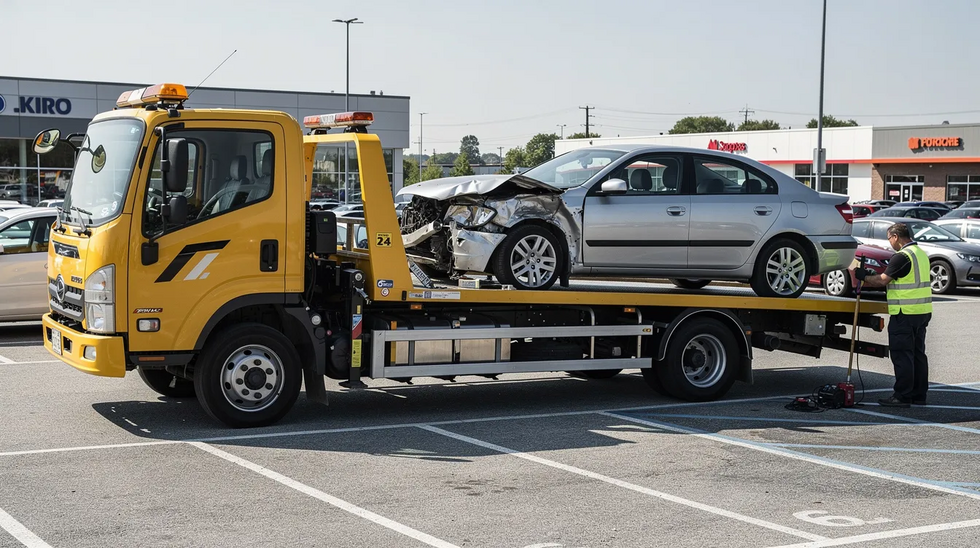
Once a vehicle is declared a total loss, title and salvage paperwork steps follow quickly. Missteps can affect your future liability and ability to challenge the payout amount.
If you're unsure whether the insurer correctly applied the 75% rule or rushed to total your vehicle for the insurer's benefit, contact Schwartz Law Firm for a case review.
Actual Cash Value vs. Market Value: How Your Payout Is Calculated
When an insurer totals your car, they typically pay the vehicle's actual cash value minus your deductible. Actual cash value is similar to fair market value but adjusted for condition, mileage, and depreciation. In short, actual cash value is determined after vehicle depreciation is applied to the replacement cost.
There is no single guidebook that Louisiana law mandates for every claim. Insurance companies use NADA or Kelley Blue Book for valuations, but they may also rely on internal databases, local dealer surveys, and proprietary valuation systems. Local market conditions influence the actual cash value assessment, which means a used truck in Metairie may be worth more than the same truck in a rural parish.
Specific factors that should be part of the ACV calculation include:
-
Year, make, model, and trim level
-
Mileage at time of loss
-
Options (leather seats, sunroof, towing package, upgraded stereo)
-
Prior damage history of the vehicle prior to the crash
-
Overall condition based on pre-crash photos and maintenance records
You should independently check your car's value using resources such as NADA Guides or Kelley Blue Book and recent comparable listings in New Orleans, Metairie, and nearby parishes. If the insurer's offer looks low, small "errors" in mileage or missing options can move the valuation by hundreds or even thousands of dollars, and insurers don't always correct these unless challenged.
A car insurance claim lawyer can review the valuation report, spot missing options or improper deductions, and push the insurer to recognize the true local market value.
Reviewing and Challenging the Insurance Payout Offer
Do not assume the first offer for a totaled or damaged vehicle is final or fair, especially when you still owe on a loan. You can negotiate the payout amount for a totaled vehicle - the initial number is a starting point, not a verdict.
A typical payout letter includes:
-
The actual cash value assigned to your vehicle
-
Deductions for your deductible
-
Salvage value (if you're keeping the car)
-
Applicable taxes and fees
-
A rental car cutoff date
Compare the insurer's stated ACV to independent appraisals. Check line items such as condition adjustments, prior damage deductions, and whether the comparable vehicles used are actually from your local market rather than distant states.
Insurers must provide valuation documents within 15 days upon request. Louisiana law requires insurers to provide valuation documentation, and you should request, in writing, a copy of the full valuation report including all comparable vehicles and the field adjuster's notes. Total loss disputes rely on documentation, not verbal arguments.
If the offer is too low, you can present competing evidence:
-
You can challenge a low valuation with two independent appraisals
-
Recent photos showing the car's condition before the crash
-
Receipts for upgrades (new tires, stereo, recent repairs)
-
Local comparable listings from dealers in your parish
Schwartz Law Firm can handle these negotiations, organize your documentation, and escalate the dispute if the insurer refuses to adjust the offer in good faith.
Keeping the Salvage vs. Surrendering the Vehicle
After a total loss decision, Louisiana drivers typically face a choice: let the insurance company take the car and pay full ACV, or keep the salvage and receive a reduced check. You can keep a totaled vehicle after settlement, but keeping a totaled vehicle may lower your insurance payout because the insurer subtracts the estimated salvage value from the total.
A salvage title is required for a retained totaled vehicle. In Louisiana, "salvage retention" means the title will be branded, registration limits may apply until the vehicle passes inspection, and future resale value will likely drop even if the car is fully repaired. Louisiana law requires salvage title application within 30 days of settlement, and the owner must notify the Office of Motor Vehicles accordingly.
Before deciding to keep a totaled car, consider these factors:
-
Cost and quality of repairs
-
Safety of driving a rebuilt vehicle
-
Availability of parts
-
Insurance companies may deny coverage for salvaged vehicles, making future insurability difficult
-
Whether a lienholder (bank) must approve the decision
Some clients in New Orleans and the River Parishes keep vehicles for sentimental reasons or because they can handle low-cost repairs themselves. That's a valid choice - but you should fully understand the title and insurance consequences before agreeing.
Contact Schwartz Law Firm before deciding to keep or surrender salvage so you understand how each option affects your finances and future liability.
Gap Insurance, Loans, and What Happens When You Owe More Than the Car Is Worth
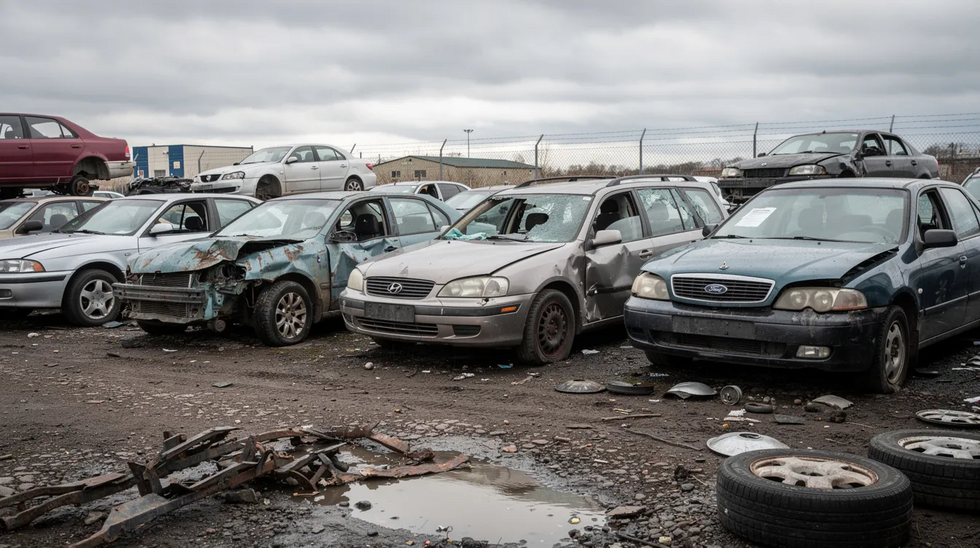
Many Louisiana drivers discover after a total loss that they owe more on their car loan or lease than the insurance company will pay in actual cash value. Insurers must pay actual cash value minus deductible for total loss - but that amount may not cover your outstanding balance.
Gap insurance is coverage that pays the difference between the ACV cash settlement based on the insurer's valuation and the remaining balance on a qualifying auto loan or lease. It's often purchased through a dealer or insurer at the time of financing.
Here's how it works in practice:
|
Scenario |
With Gap Insurance |
Without Gap Insurance |
|---|---|---|
|
Loan balance: $22,000 |
Gap policy covers the $4,000 difference |
You owe the lender $4,000 out of pocket |
|
ACV payout: $18,000 |
You walk away even |
You still have debt and no car |
Even when gap insurance applies, questions may arise about whether the ACV was calculated correctly and whether the lender's payoff figure is accurate. Both numbers affect how much of the gap remains.
Injury claims are separate from property damage and gap coverage. If you were hurt, a bodily injury settlement or judgment may also help address remaining financial strain.
Bring your finance contract, gap policy, and insurance paperwork to Schwartz Law Firm so we can review the numbers and explain your realistic options.
Louisiana Law, Good Faith Duties, and Bad Faith Insurance Tactics
Louisiana law requires insurance companies to handle claims in good faith, investigate promptly, and pay what is owed within reasonable time limits once they receive satisfactory proof of loss. Insurance companies must act in good faith when handling claims - this isn't optional guidance, it's a legal requirement.
The key statute is La. R.S. 22:1892, which was consolidated and revised by Act 423 effective July 1, 2024. Under current law, insurers must initiate loss adjustment within 14 days for non-catastrophic property damage and pay valid property damage claims within 30 days after receiving satisfactory proof of loss. It is important to consult a lawyer if your insurance claim is denied or delayed beyond these windows.
Common potential bad faith behaviors in car insurance claims include:
-
Unexplained delays in seeking payment or initiating inspections
-
Refusing to share valuation documents or adjuster notes
-
Lowball offers without clear justification
-
Mis-stating policy terms or insurance coverage provisions
-
Threatening to cut off rental cars early to force acceptance
The insurer's failure to meet statutory obligations can trigger potential penalties, which under the 2024 reform are capped at the greater of 50% of total damages sustained or $5,000. Proving bad faith requires careful documentation of timelines, letters, emails, and phone records - the claims process must be tracked meticulously. Bad faith must involve knowing, arbitrary, or capricious conduct, not mere disagreement over value.
Schwartz Law Firm evaluates whether an insurer's conduct crosses from hard bargaining into unlawful bad faith and, when appropriate, pursues those additional damages on top of the underlying accident claim.
Coordinating Property Damage and Injury Claims After a Car Accident
Many people focus on the wrecked car but overlook injuries that develop in the days after a crash - neck pain, back pain, headaches, dizziness. Documenting injuries with medical records is crucial to justify insurance claims for these delayed-onset conditions.
Insurers sometimes try to get drivers to sign broad release forms when paying for vehicle damage, which can accidentally waive or limit future injury claims. Never sign a full and final release for "all claims" related to the accident without understanding whether it covers both property damage and personal injury under Louisiana law.
Schwartz Law Firm coordinates both aspects of your case:
-
Pushing for fair property damage and rental car resolutions
-
Protecting and documenting injury claims (ER visits, follow-up care, physical therapy, lost wages)
-
Preparing for a later settlement or lawsuit on fair compensation for injuries
Comparative fault percentages apply in Orleans, Jefferson, St. Charles, and other parishes to both property and injury. Statements about the crash given to property adjusters can be used against injury claims later, which is why having one legal team manage communications with all insurance companies helps avoid conflicting statements and preserves your leverage.
How Schwartz Law Firm Handles Car Insurance Claims (Step-by-Step)
The firm offers a clear, organized process to reduce client stress while dealing with car insurance companies. Here is how a typical case moves forward:
-
Free consultation - We review your situation, police reports, photos, and insurance policies at no cost.
-
Coverage evaluation - We identify all available sources: at-fault driver's liability, your collision coverage, UM/UIM, medical payments, and possibly employer or workers' compensation coverage if the crash happened while working.
-
Evidence preservation - Lawyers can gather evidence including medical records and police reports to support claims. We also preserve vehicle photos, dashcam footage, and witness statements.
-
Valuation analysis - We collect and organize vehicle records, receipts, independent appraisals, and local comparable sales to build a fair valuation case.
-
Demand and negotiation - A lawyer can negotiate directly with insurers on behalf of clients. We prepare a demand package tailored to Louisiana law and the practices of local courts.
-
Litigation when necessary - Chris Schwartz personally oversees litigation strategy when negotiations fail, filing suit in the appropriate parish (Orleans Parish Civil District Court, 24th JDC in Jefferson Parish, or elsewhere) when needed.
Throughout the process, the firm explains options in plain English (and Spanish when needed), keeps clients updated, and returns calls so you always know where your case stands.
Fees, Free Consultations, and How Contingency Representation Works
Schwartz Law Firm represents injured people and car accident victims on a contingency fee basis, meaning no attorney's fee is owed unless there is a recovery. Attorneys may work on a contingency fee basis - and at this firm, that's exactly how it works.
The initial consultation about a car insurance claim, injury, or wrongful death case is free, whether you're calling from New Orleans, Metairie, or any surrounding parish.
Here's what contingency representation means in practice:
-
The fee is a percentage of the total damages recovered, agreed upon in writing before work begins
-
Case expenses are discussed openly so there are no surprises
-
You pay no hourly rates or upfront retainers
-
If there is no recovery, you owe no attorney fee
This structure is especially valuable for families already dealing with medical bills and loss of income after an accident. The firm walks every client through the fee agreement line by line and answers questions before any paperwork is signed.
Call (504) 837-2263 or send a message online to schedule a no-obligation case review.
Serving Metairie, Greater New Orleans, River & Bayou Parishes, and Statewide
Schwartz Law Firm is deeply rooted in Metairie but routinely represents clients across Louisiana. The main areas served include Metairie, New Orleans, Kenner, Gretna, Chalmette, Harvey, Marrero, LaPlace, and communities across Orleans Parish, Jefferson Parish, St. Bernard Parish, Plaquemines Parish, St. Charles Parish, St. John the Baptist Parish, St. James Parish, Ascension Parish, Lafourche Parish, and Terrebonne Parish.
For clients in other parishes, the firm handles serious car insurance claim disputes and injury cases using phone, video, and secure online document sharing for convenience.
Chris Schwartz has handled hundreds of auto and trucking cases arising from major roads and interstates including I-10, I-610, I-310, the Huey P. Long Bridge, Causeway Bridge, and Highway 90 corridors. The firm understands local courts, local juries, and local insurers' practices - an advantage in negotiating or litigating car insurance disputes.
Out-of-town drivers hurt while visiting New Orleans, including tourists from Texas, Mississippi, Florida, or other states, are welcome to contact the firm for legal guidance on handling Louisiana-based insurance claims.

Community Commitment and Giving Back
Schwartz Law Firm believes a strong community makes it easier for injured clients to rebuild their lives after serious accidents.
The firm has a standing policy of donating a portion of its attorney's fees at settlement to a nonprofit group chosen by the client. Past clients have selected local churches, youth sports programs, neighborhood improvement groups, and regional charities serving Orleans, Jefferson, and nearby parishes.
This donation does not reduce the client's share of the settlement - it's an additional way the firm supports causes that matter to the people it represents.
This community focus connects directly to the firm's hands-on approach: in-person meetings in Metairie, phone or video conferences for those who cannot travel, and a commitment to fair dealing with every person who walks through the door.
If giving back matters to you, ask during your free consultation how your future settlement could also support a nonprofit you value.
Ready to Talk With a Louisiana Car Insurance Claim Lawyer?
You do not have to fight the insurance company alone after a crash in Louisiana.
Schwartz Law Firm can help by:
-
Explaining Louisiana law on total loss and actual cash value
-
Reviewing your insurance policy and all available coverage
-
Negotiating with insurers who are seeking payment reductions
-
Coordinating injury and property damage claims
-
Going to court when fair compensation cannot be reached through negotiation
It's normal to be confused by paperwork, adjuster calls, and conflicting information. Early guidance can prevent costly mistakes that arise when critical deadlines pass unnoticed. Louisiana has a two-year statute of limitations to file a lawsuit under Louisiana Civil Code Article 3492, and other deadlines within the claims process are even shorter.
-
Call (504) 837-2263 now for a free consultation
-
Send a confidential message through our secure contact page at any time of day
If you're calling on behalf of a family member or friend who was hurt - a parent calling for an injured adult child, for example - we're happy to talk and explain next steps. There are strict deadlines under Louisiana law, so it is safer to get answers today than to wait and risk losing important rights.
Frequently Asked Questions About Louisiana Car Insurance Claims
The following FAQ provides brief, direct answers to common questions that may not be fully covered in earlier sections. These answers are informational only - specific situations should be discussed with a lawyer during a free consultation.
How long does the insurance company have to pay my Louisiana car insurance claim?
Under Louisiana law, insurers generally must initiate loss adjustment within 14 days of notification for non-catastrophic property damage. Once they receive satisfactory proof of loss and agree on the amount, payment of the claim is typically due within 30 days. These deadlines come from La. R.S. 22:1892.
Unreasonable delays beyond these periods can trigger potential penalties and may indicate bad faith, especially when the insurer has clear documentation but keeps stalling without probable cause.
If you've been waiting more than a month with no clear explanation, contact Schwartz Law Firm at (504) 837-2263 for a case-specific review.
Can I choose my own repair shop in Louisiana, or do I have to use the one the insurer recommends?
In Louisiana, drivers typically have the right to choose their own repair shop for a repaired vehicle, even if the insurance company provides a "preferred" list of body shops. The insurer cannot legally force a specific shop on the policyholder.
That said, insurers may still require estimates and may dispute certain repair costs at the shop you choose. Document all written estimates and communications with both the shop and insurer. If the insurer's demands seem unreasonable or inconsistent with the insurance policy, contacting an attorney can help protect your position.
What if the at-fault driver in my Louisiana accident has no insurance or not enough coverage?
If the at-fault driver is uninsured or underinsured, the injured person may have claims under their own uninsured/underinsured motorist (UM/UIM) coverage, if purchased. Additionally, Louisiana's "No Pay, No Play" law can limit recovery for uninsured drivers in specific situations - meaning if you were driving without insurance at the time of the crash, your own recovery could be restricted even if the accident wasn't your fault.
UM/UIM claims are made against your own insurer but should be treated as an adversarial process, because the insurer's goal remains to minimize what they pay. Contact Schwartz Law Firm quickly to review your policy, potential UM/UIM benefits, and any other sources of recovery.
Will my car insurance rates automatically go up if I make a claim in Louisiana?
Whether rates increase depends on several factors: who was at fault, the type of claim (collision vs. comprehensive), the driver's prior history, and the insurer's internal rating rules.
If another driver was clearly at fault and their insurance pays the claim, your own premiums may be less affected than if fault is disputed or you file a collision claim with your own company. Ask your agent specific questions about premium impact and weigh that information against the amount of money at stake in the claim. Sometimes the cost of not filing is greater than any potential rate increase.
Can Schwartz Law Firm help if I live outside Louisiana but my accident happened near New Orleans or Metairie?
Yes. Schwartz Law Firm regularly helps out-of-state visitors and tourists injured in crashes that occur in Louisiana, including on I-10 through New Orleans, near the French Quarter, or coming from Louis Armstrong New Orleans International Airport.
The applicable law is usually Louisiana law when the crash happens in-state, even if the client is from Texas, Mississippi, Florida, or another state. Most of the process can be handled by phone, video, secure email, and electronic signatures, minimizing the need for repeated travel back to Louisiana.


Comments
There are no comments for this post. Be the first and Add your Comment below.
Leave a Comment