
If you have filed a workers comp claim in Louisiana, there is a real chance someone is watching you right now. Insurance companies routinely hire private investigators to follow injured workers, record their daily activities, and dig through their social media accounts looking for anything that can be used to reduce or deny benefits. Knowing how this process works and what your rights are can make or break your case.
Key Takeaways
-
Workers compensation insurance companies in Louisiana routinely use private investigators and online surveillance, including monitoring social media posts, to find evidence that could reduce or eliminate your benefits after a workers comp claim is filed.
-
Investigators can legally film you in public spaces like parking lots, grocery stores, and sidewalks, but they generally cannot trespass on private property, hack into your accounts, or wiretap your phone. Out-of-context video clips are frequently used to attack an injured worker's credibility.
-
Following your doctor's restrictions every single day, being smart about social media, and getting legal advice early are the most effective ways to protect your compensation claim under Louisiana law.
-
Christopher "Chris" Schwartz of Schwartz Law Firm in Metairie is a former workers' compensation insurance adjuster who now represents injured workers across the Greater New Orleans area and statewide in Louisiana. If you suspect you are being watched, call (504) 837-2263 for a free consultation or message us online.
How Workers' Comp Surveillance Really Works in Louisiana
After you file a Louisiana workers comp claim, the insurance company often begins watching you to look for anything it can use to cut off your benefits. Surveillance is commonly used in Louisiana workers' compensation cases, and it is not reserved for cases where fraud is actually suspected. The goal is simple: gather evidence that questions the extent of your injury.
Surveillance can start any time after filing a workers comp claim. It may begin within days of the first report of injury, the initial doctor visit, or whenever the insurer decides the claim warrants further investigation. From that point, investigators may follow you through depositions, court hearings, functional capacity evaluations, or an independent medical examination.
This happens across Louisiana. Whether you live in Metairie, New Orleans, Jefferson Parish, St. Bernard Parish, St. Charles Parish, or a smaller community along the bayou, workers compensation investigation activity is common. Surveillance aims to verify the legitimacy of injury claims, and insurers do not limit it to obvious fraud situations or high-dollar cases.
If you think you are being watched, do not wait. Call Schwartz Law Firm at (504) 837-2263 or send a secure message through our online form for specific guidance on how to protect your claim.
When Do Insurance Companies Hire a Workers' Comp Private Investigator?
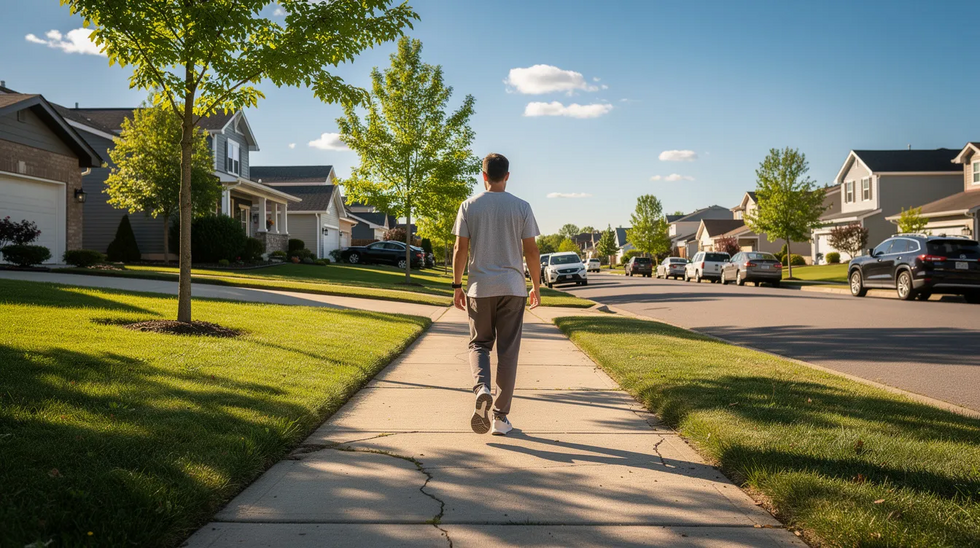
Insurance companies in Louisiana have internal triggers that cause them to assign a workers comp private investigator. While they publicly frame surveillance as fraud prevention, the real purpose is often to find any excuse to limit what they pay on a claim.
Common triggers include:
-
Large workers comp claim values or injuries involving long-term disability
-
Disputed or delayed reporting of the accident
-
Prior work injuries or a history of previous workers compensation claims
-
A car accident that happened during work errands or in a company vehicle
-
Claimant statements that seem inconsistent with medical records
Investigators are often assigned on days with important medical appointments, functional capacity evaluations, depositions, or when a hearing before a workers' compensation judge is approaching. Insurance companies frequently utilize private investigators to conduct surveillance around these calendar points, hoping to capture something useful.
Many injured workers are watched without being told and without any solid proof of fraud. It is worth noting that roughly 10% of all workers' comp claims involve some fraud, and insurance fraud costs American households over $950 annually. Faking an injury, claiming non-work-related injuries as work injuries, and secretly working while collecting benefits are common fraud types. But the vast majority of claims are legitimate, and surveillance is cast wide.
Chris Schwartz's experience as a former Travelers adjuster gives him direct knowledge of how and why these decisions are made. He understands the internal playbook because he once ran it.
Common Workers' Comp Surveillance Tactics in Louisiana
Modern workers comp investigation blends old-fashioned physical surveillance with advanced online surveillance and data research. Understanding common investigative techniques helps you stay prepared.
Real-world tactics include:
-
Staking out in a parked car near the injured worker's home, sometimes at odd hours or early in the morning
-
Filming from public streets as you walk to your mailbox, take out trash, or load your car
-
Following you to grocery stores, medical visits, school drop-offs, or church parking lots
-
Recording whether you use assistive devices like a cane or walker consistently
-
Watching public parks, shopping malls, and community events for signs of physical activity
Private investigators use video recordings to observe claimants' activities. A few seconds of carrying light groceries, bending to pick something up, or briefly lifting a box may be edited into a short clip designed to suggest the worker can perform full-time heavy work. In the Cembell Industries v. Kevin Smith case, the insurer's surveillance report claimed the worker carried water cases up stairs, but the actual video footage did not show that. Context gets lost quickly when clips are edited.
Investigators may also time their work around holidays, festivals like Mardi Gras in New Orleans or local parish fairs, and weekends, trying to capture footage of an injured worker appearing too active.
What Private Investigators Can Do Legally in a Louisiana Workers' Comp Case
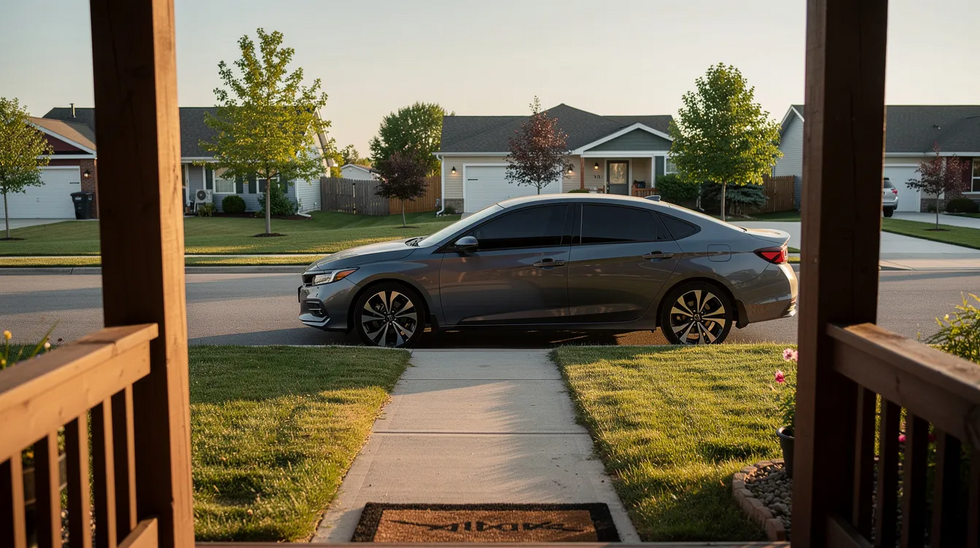
While private investigators are regulated by state and federal law, they still have wide latitude to observe and record what you do in public. Private investigators must be licensed by the Louisiana State Board of Private Investigator Examiners, but that license grants significant leeway.
Here is what they can legally do:
-
Follow you on public roads, sidewalks, and in public parking lots
-
Take photos and videos in public spaces without your permission, because surveillance is legal in public spaces where there is no reasonable expectation of privacy
-
Investigators can follow claimants in public spaces legally, and investigators can legally record you in those areas
-
Review public records, past lawsuits, prior workers comp claims, and publicly available employment or business filings to try to show you are working or more active than you claim
-
Monitor public social media accounts on platforms like Facebook, Instagram, TikTok, and X, and look at posts from your friends or family that tag you or show you at events
Courts have confirmed that properly authenticated surveillance footage is admissible. In Howard v. Holyfield Construction, the Louisiana appellate court accepted dubbed copies of surveillance video as evidence when proper authentication was shown. The short answer is that almost anything you do where other people can see you is fair game.
What Private Investigators Cannot Do: Your Privacy and Legal Rights
Even though investigators have broad authority in public, they and the insurance company must still respect your legal rights. They cannot break the law to find evidence against you.
Clear boundaries include:
-
Investigators cannot conduct surveillance that intrudes on private property or spaces. They cannot trespass to look through your windows or film inside your home.
-
They cannot place GPS trackers on your vehicle without proper legal process.
-
They cannot wiretap your phone calls or intercept private conversations. Louisiana's Electronic Surveillance Act requires at least one-party consent for recording conversations where there is a reasonable expectation of privacy.
-
They cannot hack your email or private social media accounts to access content that does not remain private by your own settings.
-
They cannot lawfully pose as law enforcement or public officials.
-
Harassment, stalking, or repeated intimidating contact crosses legal lines.
In Singletary v. Fridley, the court addressed a situation where a PI allegedly trespassed and intercepted communications, highlighting that overreach carries real legal consequences for investigators and the insurers who hire them.
If you suspect illegal or harassing surveillance, document what you see and contact Schwartz Law Firm at (504) 837-2263 or via our secure contact page to review your options.
How Video Surveillance Is Used Against Injured Workers
Short, carefully edited surveillance clips are one of the most powerful weapons an insurance company uses to argue that an injured worker is exaggerating or lying. Surveillance footage can significantly damage a claimant's credibility if they are seen doing something that appears to violate their restrictions.
Here is how it plays out in practice:
-
An injured worker with a back injury is filmed pushing a light cart at a grocery store and then accused of being able to do heavy construction work
-
Someone with shoulder restrictions is shown opening a car door and portrayed as fully recovered
-
A person seen briefly without a cane is presented as if they never need one
Insurers use this evidence to cut off temporary total disability benefits, dispute permanent impairment ratings, or argue the worker can return to light-duty work before they are ready. Surveillance footage may be used in legal proceedings to challenge a claimant's credibility, and surveillance results can be used to confirm if the claimant is malingering or exaggerating injuries.
But surveillance should not be construed as proof of injury or fraud without proper context. In the Cembell Industries case, the Workers' Compensation Judge found that a single instance of lifting water cases did not prove overall ability to work. Courts recognize that video shows only snapshots, not continuous pain or the full scope of doctor-prescribed limitations.
Under Louisiana law, surveillance evidence typically does not have to be disclosed before a claimant's deposition, which means you may face questions about your activities without knowing that you were filmed. A skilled workers' compensation attorney can cross-examine the investigator and challenge misleading footage by showing what was left out.
Online Surveillance and Social Media Risks in a Workers' Comp Claim
In 2024 and beyond, social media is often as important as physical video surveillance in Louisiana workers comp claims. Social media monitoring is a common practice for insurers in workers' compensation cases, and investigators may monitor social media for evidence against claimants.
Here is what puts you at risk:
-
Public posts or posts visible to friends of friends can be saved as screenshots and misinterpreted. A flashback vacation photo can be presented as if it were taken after the injury.
-
Check-ins at restaurants, tagged photos at family events, and casual comments like "I feel great today!" can be taken out of context and used to argue you are more active or less disabled than reported.
-
Posts on social media websites from your friends and family members that show you or tag you at gatherings are also fair game.
Social media posts can be used against your claim. In the Cembell Industries case, Facebook photos were among the exhibits introduced by the insurer.
What you should do:
-
Do not delete posts once a claim or lawsuit is active, because deletion can be treated as destroying evidence
-
Tighten your privacy settings immediately
-
Stop new posts about activities, vacations, workouts, or side jobs
-
Discuss any concerns about existing content with your lawyer

Surveillance After a Work-Related Car Accident
Work-related car accidents trigger heightened surveillance because Louisiana workers comp insurers and auto insurers sometimes coordinate to investigate a claim aggressively. When a car accident is involved, there are often two insurance companies looking for reasons to deny responsibility.
This commonly affects:
-
Delivery drivers hurt in a car accident while making rounds in Orleans Parish or Jefferson Parish
-
Home-health workers traveling between patient homes in St. Charles or Terrebonne Parish
-
Company-vehicle drivers injured on highways in the River Parishes
Investigators may look for evidence suggesting the accident was not work-related, that the injured worker is driving long distances despite claiming disability, or that they are doing side work such as ride-share driving. Accident reports and medical records from the scene become starting points for further investigation.
If you were hurt in a work-related car accident, do not speak directly to insurance adjusters without legal guidance. Contact Schwartz Law Firm at (504) 837-2263 for coordinated workers' comp and auto-accident strategy. Chris handles both practice areas and can protect you on both fronts.
How Surveillance Can Affect Your Louisiana Workers' Compensation Benefits
Surveillance is used to question the injured worker's credibility and reduce or terminate benefits including wage loss payments, medical coverage, and vocational rehabilitation.
Practical effects include:
-
Suspension of weekly indemnity checks
-
Denial of surgery or pain management treatment
-
Pressure to accept an unfair settlement
-
Accusations of workers comp fraud that can be referred to prosecutors under La. R.S. 23:1208
Claims can be adversely affected if there is intentional misrepresentation connected to benefits. Under R.S. 23:1208, a worker who makes a willful false statement for the purpose of obtaining benefits may forfeit those benefits entirely. Insurance companies may rely on surveillance to gather evidence for settlement negotiations, using even minor inconsistencies to drive down the value of your claim.
Surveillance can document inconsistencies between reported disabilities and observed activities. Even honest mistakes, like forgetting a prior minor injury or misstating a date, can be spun into fraudulent inconsistencies when paired with surveillance footage.
Early legal representation can help prepare the worker for recorded statements, depositions, and treatment decisions so that surveillance has less power to damage the case.
Practical Tips If You Suspect Workers' Comp Surveillance
If you believe an insurance company or its investigators are watching you, follow these guidelines:
-
Follow all medical restrictions carefully every single day, not only on appointment days. Over-doing it just once can be the moment an investigator captures on video.
-
Assume you may be observed in any public place: parking lots, grocery stores, gas stations, kids' sporting events, parades, public parks, and church grounds. Move, lift, and walk the way you report to your doctor.
-
Do not confront a suspect you believe is a private investigator. Instead, quietly note dates, times, vehicle descriptions, and license plates. Share that information with your attorney.
-
Review your social media privacy settings. Avoid new posts about activities, vacations, workouts, or side jobs. Do not discuss the case online with friends or family.
-
Keep a daily pain and activity journal. Record symptoms, limitations, and times when activity triggers pain so your attorney can contrast real-life impact with any brief video clips.

How Schwartz Law Firm Fights Back Against Unfair Surveillance
Christopher R. Schwartz brings a rare perspective as both a former workers' compensation adjuster and a long-time trial lawyer for injured workers across Greater New Orleans and Louisiana. He spent nearly a decade at Travelers (1986–1995) before founding Schwartz Law Firm in 1997. That insider experience means he knows exactly how insurers build surveillance files and where those files are weakest.
Here is how the firm challenges surveillance evidence:
-
Reviews raw, unedited surveillance footage rather than relying on the cherry-picked clips insurers present. In cases like Cembell Industries, surveillance reports mischaracterized actions that the actual video did not show.
-
Cross-examines the private investigator about where they were standing, how long they filmed, what they chose not to record, and whether they violated any privacy rules or trespassed on private property.
-
Works with treating physicians to interpret surveillance evidence, showing that observed activity may be tolerated but still painful, or that assistive device use varies depending on distance and terrain.
-
Coordinates case strategy around surveillance-heavy periods, such as before mediation or a hearing, helping clients avoid common traps and maintain credibility with the judge.
If you are an injured worker in Orleans, Jefferson, St. Charles, St. John the Baptist, St. Bernard, Plaquemines, Lafourche, Terrebonne, Ascension, or St. James Parish, call (504) 837-2263 or contact us online for a free consultation.
Steps to Protect Your Louisiana Workers' Comp Claim During an Investigation
If you already know or strongly believe that your workers comp claim is under active workers compensation investigation, these steps can help protect your benefits and your credibility.
-
Be completely honest and consistent in all statements to doctors, your employer, and the insurance company. Be honest during the investigation process to protect your claim. Inconsistencies combined with surveillance are often more damaging than the footage alone.
-
Keep a daily pain and activity journal. Record symptoms, limitations, what you were able to do and what caused pain. This record allows your attorney to contrast real-life impact with any brief video clips an investigator might produce.
-
Do not sign broad medical authorizations. Do not settle or give recorded statements without consulting an experienced attorney who can explain the risks in plain language. Insurers may use those authorizations to access medical records well beyond the scope of your injury.
-
You should consult a lawyer if under investigation. Calling Schwartz Law Firm at (504) 837-2263 early in the process allows Chris to use his adjuster background to anticipate insurer tactics and build a stronger file from day one.
Why Choose Schwartz Law Firm for a Surveillance-Heavy Workers' Comp Case?
If you are comparing potential attorneys for a complex, disputed workers comp claim in Louisiana, here is why Schwartz Law Firm stands out.
-
Chris Schwartz has decades of experience in workers' compensation and car accident litigation. His prior role as a workers' compensation adjuster for Travelers gives him firsthand knowledge of how insurers investigate, what triggers further investigation, and how surveillance files are assembled. His track record of settlements and verdicts speaks for itself.
-
The firm is rooted in Metairie with service areas spanning the Greater New Orleans region, the River and Bayou Parishes including St. James, Ascension, Lafourche, and Terrebonne Parishes, and statewide Louisiana. That means familiarity with local judges, local defense attorneys, and Louisiana workers' compensation law.
-
You get direct access to your attorney. Workers' compensation and personal injury cases are handled on a contingency-fee basis, meaning no upfront cost. The firm also donates a portion of attorney fees at settlement to a nonprofit chosen by the client, reflecting a commitment to the community that goes beyond the courtroom.
Request a free consultation by calling (504) 837-2263 or sending a confidential message through our contact form. Do not let an insurance company's surveillance campaign determine the outcome of your case.
Free Consultation: Talk to a Louisiana Workers' Comp Lawyer About Surveillance
No injured worker should have to face private investigators, online surveillance, and aggressive insurance company tactics alone.
Schwartz Law Firm offers a free consultation to review the status of your workers comp claim, any suspected surveillance, your medical records, and any communication from the insurance company. There is no upfront cost to talk with Chris about your situation, and workers' compensation cases are handled on a contingency-fee basis.
Call (504) 837-2263 right away or contact us online to schedule a convenient phone, video, or in-person meeting. The sooner you have an experienced attorney in your corner, the harder it becomes for surveillance to derail your claim.
Frequently Asked Questions About Workers' Comp Surveillance in Louisiana
How long can a workers' comp investigator follow me in Louisiana?
There is no fixed time limit in Louisiana law. Investigators can follow an injured worker in public as long as they are not harassing, trespassing, or breaking other laws. Surveillance can be intense for a few days or occur in short bursts over months, especially around medical appointments, hearings, or settlement negotiations. Investigators may follow you after filing a claim at any point during the life of your case. If you feel you are being stalked or harassed rather than merely observed, document the incidents and consult a workers' compensation attorney to determine whether legal boundaries have been crossed.
Can workers' comp investigators talk to my neighbors or coworkers?
Yes. Investigators often speak with neighbors, coworkers, or former employers, essentially interviewing witnesses to ask about the injured worker's activities and work history. Brief, respectful contact is generally allowed. However, misleading statements, impersonating officials, or repeated unwanted contact can become improper or illegal. Avoid asking friends or neighbors to cover for you. Instead, make sure your statements are honest and consistent with your medical records.
Will surveillance stop if I go back to light-duty work?
Not necessarily. Some surveillance may continue even after a partial or light-duty return to work. Insurance companies may still look for evidence that a worker can resume full-duty responsibilities or that symptoms have improved more than reported. Video of an injured worker toughing it out at a light-duty job may later be mischaracterized to argue that full-time work is possible. Stick to your assigned restrictions, report pain or difficulties to your treating doctor, and discuss surveillance concerns with your attorney so you understand the risks.
Can workers' comp deny my claim based only on social media posts?
A single social media post is rarely the sole reason for a denied claim, but insurers may rely heavily on online evidence combined with medical records or surveillance videos to challenge your case. Photos from parties, vacations, or workouts and comments that appear to contradict reported pain levels can be dangerous. Do not delete old posts during an active claim, but stop posting about your activities and consult a lawyer about how to handle existing content.
Do I really need a lawyer if I think I'm being surveilled?
While the law does not require a lawyer, an experienced attorney can significantly improve your ability to push back against misleading surveillance and protect your benefits. A lawyer can control communications with the insurance company, prepare you for depositions where surveillance footage may be introduced without warning, and challenge investigator testimony and video evidence in court. If you have questions about surveillance or your workers comp claim, contact Schwartz Law Firm for a free consultation by calling (504) 837-2263 or sending a message through our online form.


Comments
There are no comments for this post. Be the first and Add your Comment below.
Leave a Comment